

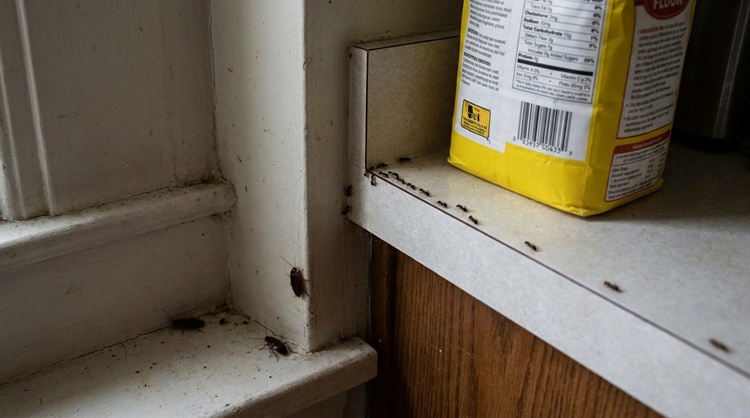
Living in St. Louis often means dealing with recurring pest issues. Right from historic and older homes in Soulard and The Hill to newer homes in Wildwood, infestations are regular and often tough to tackle. The city is located close to the Mississippi and Missouri River basins, and the humidity here remains high for most parts of the year.
Because St. Louis pest cycles are predictable yet aggressive, you need to work with a local service like Pointe Pest Control, which works as partners in home maintenance rather than just reactive exterminators. You can check their work at Pointepestcontrol.com. Here are some things to discuss with their technicians.
Regional Pests & Seasonal Trends
You need to ask how the St. Louis climate adds to the local life cycles of specific pests. Some of the most common species you can find here include subterranean termites, brown recluse spiders, and mosquitoes. Technicians should know how rapid temperature swings trigger pest migrations and must be able to guide you on seasonal trends.
Identification, Exclusion, & More
Exterminators should have ways to find access points and identify the species instead of only trying new products and chemicals. Usually, people use foam to fix visible gaps, but rats and mice can chew through that within a night. Technicians usually use exclusion materials like copper mesh, which are durable. They are also known to fix the weep holes in historic homes without trapping moisture.
Safety Protocols
IPM isn’t just about treatments but also ensuring the safety of humans and the planet. Ask the company whether they use EPA-approved products and how often they will repeat treatments. In St. Louis, rainfall in the spring and summer heat can degrade products, which is why certain steps must be repeated from time to time for ongoing relief. You should also ask technicians about how they plan to ensure safety during and after the application.
Customization for Foundation
In older districts like The Hill, homes have limestone foundations that settle differently than modern concrete slabs in suburban zones. That can create unique migration routes for rodents. Discuss if the technicians will take steps for your property based on these aspects, and if they will check for moisture in basements, which otherwise can attract silverfish and centipedes.
Approach for High-Density Areas
If your neighbors have pest issues, how can you prevent the infestation from drifting into your property? Technicians should ideally talk about the risk of having common plumbing chases and utility lines, and must have protocols for sealing these interconnected paths.
Landscape Recommendations
If your property has wood-based mulch against siding or improper grading near the foundation, technicians should explain how to fix these concerns. Otherwise, landscaping is one of the prime reasons why termites and other pests find easy ways to enter homes. Request an audit of vegetation, like tree limbs or shrubbery, that might be touching the house.
Guarantees
Ask the exterminator about their warranty policy and what documentation you will get after each visit. A professional service should document exactly what was seen, where it was treated, and what steps the homeowner should follow as per the technician’s recommendations. If you are paying for ongoing services, you should have free callbacks. This means that if the pests return before the next visit, the team should repeat treatments without additional costs.
Preventative Planning
Experienced exterminators always explain why a quarterly plan is more effective than one-time treatments. Make sure the technician is willing to act as an ongoing consultant, so that you can get help when required.
Your home deserves to be safe, and for that, you have to partner with a trusted local pest control service in St. Louis.