

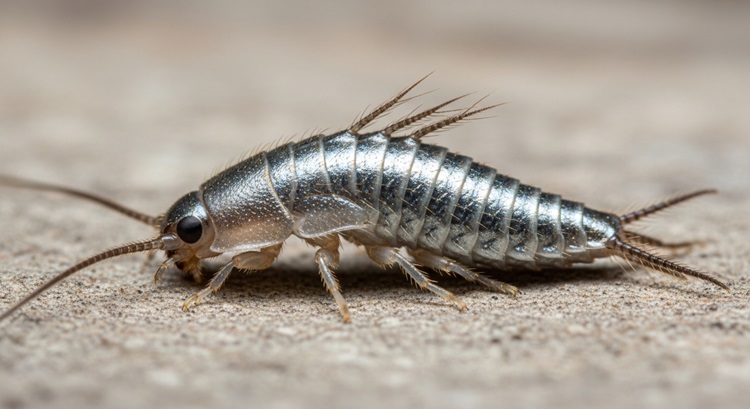
Many homeowners in Longview may notice a change indoors when the fall arrives. They may find their drawers showing tiny holes or their books getting rough edges. Others may notice silver flashes darting across the floor at night. This may be because silverfish appear more frequently during this time of year. The weather affects homes, moisture, and food sources across East Texas.
Silverfish search for moisture, warmth, and certain materials to eat. Their food options include paper, glue, cardboard, fabrics, and pantry goods. Silverfish move toward stable indoor environments as nighttime temperatures cool. Homes become their safe shelters, offering constant comfort and abundant food sources. That is why homeowners must work with Pointe Pest Control during the fall season and beyond. Experts will protect their homes and property as well as maintain their peace of mind.
Fall Weather and Moisture Changes
The fall weather in Longview may bring cooler nights with lingering humidity. Summer heat pushes silverfish toward shaded outdoor spots, but fall reduces those options. During fall, Leaves pile up and soil cools. Also, moisture levels change around foundations.
Moisture inside homes may remain high. Humidity levels in bathrooms, kitchens, laundry rooms, and crawl spaces are high. Silverfish thrive where there is constant moisture.
Entry Points Become More Active in Fall
Silverfish takes advantage of cracks along foundations, gaps around doors, and spaces near utility lines to enter homes. Fall maintenance tasks sometimes disturb outdoor hiding areas, which pushes these pests closer to homes. Longview homes with older foundations or worn seals may also experience more activity during this season.
Stored Items Offer Hidden Appeal
Summer items move into closets, garages, or storage rooms. These stored items attract silverfish due to starches and adhesives. Books, photo albums, and old paperwork serve as long-term food sources. Silverfish prefer dark, undisturbed spaces, which makes storage areas ideal.
Nighttime Activity Becomes Easier to Spot
Silverfish avoid light and stay active at night. Fall evenings grow longer, and households spend more time indoors after dark. Homeowners may notice silverfish near sinks, bathtubs, or basement floors during late hours. The pests may already exist in small numbers, but fall conditions encourage movement and population growth.
Indoor Heating Creates Comfort Zones
Many Longview residents turn on heating systems during cooler nights as fall progresses. Warm air circulates through homes while moisture remains trapped in certain rooms. Silverfish favor these warm, damp zones. Basements, attics, and utility rooms often warm unevenly during this time. These spaces create comfort areas that silverfish use as shelter.
Outdoor Food Sources Decline
Silverfish often live outdoors under leaves, mulch, and wood. Fall cleanup reduces these areas. Raked yards, trimmed plants, and cleared debris remove hiding places and food options. Silverfish adapt when outdoor food becomes scarce. They follow moisture trails and temperature cues that guide them indoors. Homes near wooded areas or heavy landscaping in Longview may notice this pattern each fall.
Paper Products Attract Fall Activity
Fall also brings an increase in mail, school papers, and indoor reading materials. Silverfish feed on the starch found in paper and book bindings. Closets and home offices become prime locations. Pantries can also draw attention. Flour, cereals, and pet food provide easy meals for silverfish if containers lack tight seals.
Why Silverfish Seem Harder to Control in Fall
Silverfish reproduce slowly, but they live long lives. Fall provides stable conditions that support their life cycle. Less outdoor disruption and steady indoor shelter allow populations to grow quietly. Many homeowners assume silverfish appear out of nowhere, but they often exist unnoticed for months.
Silverfish activity in Longview follows predictable patterns. Fall triggers movement due to weather changes, indoor comfort, and changing food access. Awareness helps homeowners spot early signs before damage spreads. This way, they can limit long-term problems and protect their stored items.