

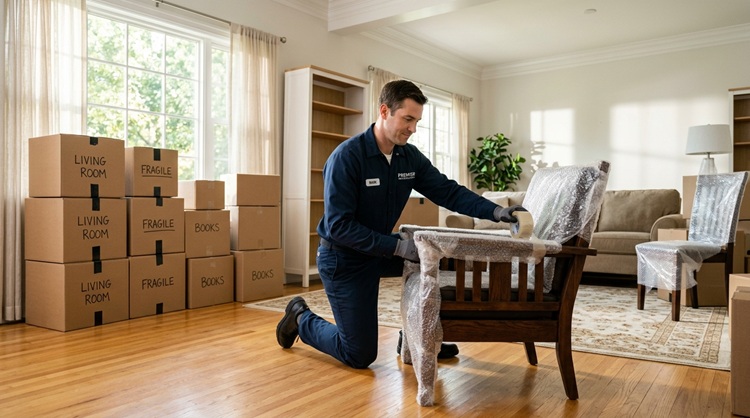
Heavy furniture makes simple moves feel risky. One wrong lift and your back will be hurt. A safe move begins before you even start packing.
According to Lawrence Moving experts, most moving issues happen when you rush things. Moving your heavy furniture doesn’t just need proper planning. It also needs patience. Here are helpful techniques to avoid injury and damage:
1. Read the Room Before You Lift
Go from one to another before you start moving your furniture. Don’t just check for low lights, loose steps, and narrow corners. Check for rugs, pets, and cords, too. Remove everything that may cause you to trip.
In addition, measure stair landings, furniture, doors, and halls before the day of the move. Your sofa might look small until it meets a tight space.
2. Make Your Furniture Easier to Control
Don’t just empty hidden storage areas. Empty cabinets and drawers, too, before you start to lift. Small things often add weight. Not to mention, they might slide when your furniture tilts. So, remove loose parts, cushions, and mirrors if possible.
Remember to secure drawers and doors. This will ensure they don’t swing open. You can use soft straps over padding rather than putting strong tape on furniture. With this, you can protect the furniture’s finish.
3. Lift with Team Signals
Don’t lift your furniture with pride. Don’t just bend your knees. Also, keep your chest up and hold the furniture close. Your legs must do the work as your back remains steady.
When working as a team, use simple words before every move. Say ‘down,’ ‘turn,’ and ‘lift. This way, everyone will act together. If anyone of your team loses grip, consider stopping and resetting.
4. Protect Floors, Corners, and Doorways
Mostly, damage often happens in a tight space. People relax too soon, then the furniture’s legs dip into the floor. So, keep padding around or under your furniture until it reaches its destination.
Consider covering sharp corners with foam, blankets, or cardboard. You may add light padding to your door frames. Such barriers may prevent paint marks, chips, and dents.
5. Treat Stairs as a Separate Move
Going downstairs and upstairs requires a better plan than flat floors. Individuals on the lower sides usually carry more weight. Therefore, choose that spot wisely. To do that, keep your furniture tilted to clear every step.
Avoid rushing turns or landing. Consider resting your furniture on padded steps if your hands are already tired. Taking a rest for a while will prevent a sudden drop.
6. Know When to Call for Help
Some pieces of furniture require trained movers. Perfect examples include large armories, marble tables, and pianos, among others. If your furniture feels unstable, avoid forcing it.
Pain is a warning sign, too. Shaking legs, sharp back pain, or numb hands may mean you should stop the move. An injury from lifting furniture while in pain may last for many months.
In conclusion, moving your heavy furniture is all about control. Don’t just clear the path. Use the right tools and lighten the load, too. When all your steps have a purpose, you won’t just protect your body. You will protect your home and furniture.