

Being locked out of your home, standing just inches away from everything you need inside, is among the top most exasperating experiences. All the essentials you need are literally just a few feet away, however, since you don’t have the small piece of metal, (the key), that lets you enter, entry is impossible. Thousands of instances of this same frustrating experience occur throughout the United States each day; knowing what you should do next may make the difference between a rapid resolution and a costly, prolonged ordeal.
Fortunately, being locked out never seems to occur at a good time. It typically occurs when it’s late at night, during inclement weather, or when you’ve got a load of groceries to carry. The stress of the situation makes rational thinking difficult, and that is precisely the time that people make decisions they later regret — such as breaking a window or phoning the first locksmith that appears in a search without researching their qualifications.
First Things First
Prior to making irrational decisions or expending money, taking a quick look at the situation to assess what is happening is helpful. Are there other ways to enter the building? Is there a rear door that you could unlock, a window that remains open, a spare key located somewhere? Often lock-outs resolve themselves once the initial anger passes and rational thinking resumes.
Do you have family members or roommates that may possess a key? Perhaps a roommate is at work, a spouse is doing some errands, or the kids are at school and may be returning soon. Waiting an hour to allow someone to come to your aid would be far cheaper than employing an emergency locksmith service.
Renters typically can contact the owner or property management company of the rental unit to inquire if they have a spare key. This alternative is going to take longer to obtain during evening and weekend hours, but it is free. The wait may be aggravating, however, it is worth considering if the lock-out does not pose a threat to your safety or leave your home exposed.
When Professional Assistance Is Required
There are certain situations in which you should immediately phone a good quality, emergency locksmith perth for more assistance. If the door was opened by force, or if the lock was damaged, leaving your home unsecured creates a safety hazard. When children or pets are locked within the home, especially in extreme heat or cold, time is far more important than dollars. Additionally, if you are standing outside of your home at 2 am with no place to go, waiting is not an option.
In addition to the quality of locksmith services varying significantly, the urgency of emergency situations brings out both legitimate professionals and predatory individuals who seek to capitalize on a customer’s desperation. Phoning a local resident who can confirm whether the locksmith is properly licensed, insured, and accountable is essential to ensure that the locksmith will provide reliable, affordable service that will not unnecessarily damage your property.
Response time will vary depending upon the proximity of the locksmith to your location, the time of day, and the current workload of the locksmith. Within city limits, during regular business hours, a 30 – 45 minute response time is normal. During late evening/night hours, or in rural areas, it may take longer. Reliable locksmiths will estimate the time of arrival, and notify you if there are any delays. Locksmiths that cannot or refuse to estimate the time of arrival should raise a red flag.
What It Really Costs
Lockout prices are confusing to consumers because they vary depending on several factors. Time of day impacts pricing greatly. Emergency call outs after hours, on weekends, and/or during holidays are considered premium pricing, reflecting the fact that the technician is working while others are resting or enjoying time with their families.
Location also impacts pricing. Distance traveled, gas costs, and overall cost of living in an area affect pricing. Urban locksmiths may charge more due to increased overheads, whereas, rural services charge travel fees for longer distances.
Type of lock also impacts pricing. Standard residential locks take only minutes to open using the correct tools and training. High security locks, electronic locks, and damaged mechanisms require longer amounts of time and specialized equipment, increasing the cost. Smart locks create another layer of difficulty — sometimes they can be reset remotely and other times they require manual intervention.
Standard residential lockout prices range from $80 to $200 during regular business hours. After hours emergency services normally cost between $150 and $300, or more. Prices quoted above usually includes the service call, basic lock manipulation, and opening the door. Replacing or repairing the lock is an added expense.
Obtaining a quote prior to commencing the work will assist you to understand what the total bill will be, and avoid any unexpected bills. Honest locksmiths provide a clear price quotation prior to beginning the work. If a locksmith cannot or refuses to provide a price quotation over the telephone, that is a red flag.
Avoiding Locksmith Scams
Predatory individuals prey on the distressed individual during emergencies. They provide false information regarding prices to obtain a call, and then increase costs once on-site. Methods employed by these predators include charging a very low price for the base job, but including many additional fees not previously disclosed, claiming that the lock requires drilling when it does not, or insisting on replacing the lock with an expensive lock for a simple issue.
Warning signs of scams include evasive or vague responses to questions regarding pricing, arriving in unmarked vehicles, failing to produce identification or other forms of credentials, and attempting to pressure you to pay immediately for the service in cash only. Genuine locksmiths display identification, arrive in clearly identified vehicles, and provide an invoice detailing every item charged.
Verify Credentials
Verifying the credentials of locksmiths is extremely important. Legitimate locksmiths have received formal training, maintain liability insurance, and are held accountable. Legitimate locksmiths register with the state and federal agencies responsible for regulating locksmiths, and may be tracked in case of complaints. Predatory locksmiths, who are not registered, disappear after receiving payment for the service, leaving the consumer with little to no recourse if the service performed was inadequate or caused damage to your property.
How the Work Is Performed
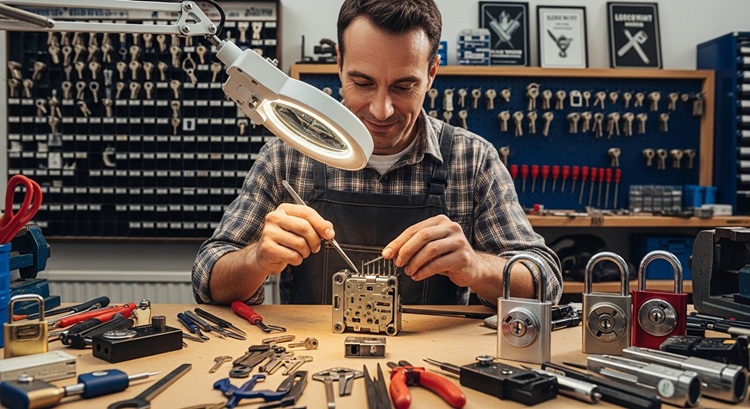
Legitimate locksmiths attempt to open the lock without damaging the lock. Legitimate locksmiths carry the appropriate tools to manipulate the lock mechanism, and to avoid causing unnecessary damage to the lock, door, or surrounding property.
The process begins by evaluating the type of lock and the circumstances. Each type of lock requires a different approach. The locksmith evaluates the door, frame, and lock to identify the best course of action. For standard pin-tumbler locks, the most common type of lock, the lock is often picked or bumped. Deadbolt locks require different tools and techniques.
Occasionally, drilling becomes necessary to gain access to a lock. Drilling is required when a lock is damaged, or is a high-security lock that resists other methods of opening. Drilling damages the lock cylinder, resulting in the necessity of purchasing a replacement. An honest locksmith will explain why drilling is the only viable option and what the cost will be to replace the lock prior to performing the work.
Once the locksmith gains entry into the premises, the locksmith should confirm the identity of the person who requested assistance. Confirming the identity of the person requesting assistance is a security precaution to protect property owners from unauthorized persons entering their property. Presenting identification, or verifying residency, is a reasonable request.
Reducing the Likelihood of Future Lockouts
It is unlikely that anyone intentionally plans to get locked out of their home, however, simple precautions greatly reduce the likelihood. Having a spare key is the easiest solution to resolving most lock-out situations prior to them occurring. Leaving a spare key with a trusted neighbor, family member, or friend provides a means of accessing your home quickly.
Key Safes, located discretely outside the home, present an additional solution. Key Safes are small lock boxes with combination locks that contain spare keys. The combination is easier to remember than keeping track of another key. Avoid placing the Key Safe in a location that is easily visible — i.e., do not place the Key Safe near the front entrance of your home where it can be seen.
The Reality Check
Lockouts happen to everyone eventually. Keys get lost, lock mechanisms fail, doors slam shut at the wrong moment. Beating yourself up about it doesn’t help. The practical response involves assessing options, calling qualified help when needed, and taking steps to prevent repeat occurrences.
The cost stings, especially for unplanned expenses. But compared to breaking a window, damaging a door, or spending the night elsewhere, professional locksmith services often represent the most sensible option. The key—pun intended—is calling reputable services that charge fairly and solve the problem without creating new ones.
Understanding what’s involved, what it costs, and how to avoid common pitfalls transforms a frustrating situation into a manageable one. It won’t make standing outside in the rain enjoyable, but it ensures the solution doesn’t become worse than the problem.