

Electricity is a simple expectation in the modern day home. Lights turn on, chargers work, the fridge hums, and the heater keeps rooms warm. When power acts strange, it can be more than a small annoyance. It can be a clue that the wiring needs help. Spotting problems early keeps everyone safe and saves money on repairs. Here’s a simple guide that explains what to watch for and what to do next.
Flickering or Dimming Lights
A light that blinks once after a big appliance starts isn’t always a worry. A light that keeps flickering, or groups of lights that dim for no clear reason, are different. That can mean loose connections, an overloaded circuit, or worn parts in a switch or fitting. Loose connections build heat. Heat breaks down insulation and can start a fire. If the same room has bulbs that fail often, that can be a sign the fixture is getting too hot or the voltage isn’t steady. Fixing the root cause beats replacing bulbs over and over.
Warm, Discoloured, or Buzzing Outlets
Touch the faceplate around a power point once in a while. It should feel at room temperature. Warmth, brown marks, or a plastic smell means the outlet is struggling. Buzzing or crackling sounds are also a danger sign. These point to a loose wire, a failing outlet, or a plug drawing more power than the circuit can handle. Stop using that outlet and get it checked. Heat is the warning that comes before smoke.
Breakers That Trip a Lot or Old Fuses That Blow
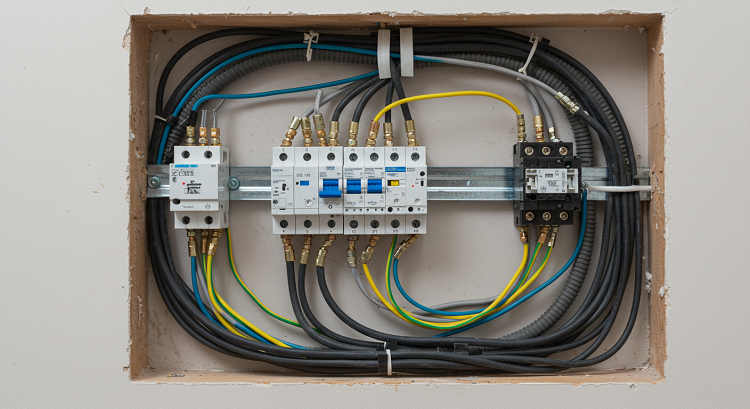
Circuit breakers protect the wiring by shutting off power when too much current flows. A single trip can be random. Repeated trips mean overloading, a short, or a faulty device. Old homes may still have ceramic fuses. If a fuse blows more than once, don’t just replace the wire; that hides the main problem and makes things worse. Modern boards use circuit breakers and safety switches that react fast. If the switchboard looks old, feels crowded, or has mixed parts from different eras, it may be time for an upgrade so protection matches how the house is used today.
When It’s Time to Call a Professional
Some signs should end the guessing. Shocks or tingles from taps or appliances, burning smells near outlets, scorch marks, melted plugs, or any wiring you can see that looks cracked or frayed all need a pro. So does water anywhere near power. Safe work on mains power takes training, testing tools, and the right parts. For homes in Australia, a sensible move is to book the licensed electricians at AJD Electrical Solutions for proper testing and repairs. Good tradespeople don’t just swap parts; they find the fault and make sure the fix will last.
Small Shocks, Tingling, and Metal That Feels “Live”
A tiny zap from a door of a car after walking on carpet is static. A tingle from a metal case on an appliance, a sink, or a tap is different and dangerous. That can point to a fault in the appliance, a missing earth, or a break in the earthing system for the home. Earthing gives stray current a safe path away from people. Without a strong earth, a minor fault can turn into a serious shock. Stop using that circuit and get it checked right away.
Burning Smells, Smoke, or Dark Stains
Electrical burning has a sharp, fishy smell. If that smell shows up near a switch, outlet, or the switchboard, power to that area should be turned off. Stains that look brown or black around outlets mean heat built up in the plastic. Smoke is a clear emergency. If smoke comes from a switchboard or a wall, get everyone out, call for help, and keep a safe distance. Do not pour water on an electrical fire.
Old Fittings and Shortcuts to Watch For
Some older homes still have two-prong outlets with no earth pin. These don’t protect well against faults. Other homes may have mixed wiring from DIY attempts. Painted-over outlets, loose faceplates, or extension cords used as permanent wiring are clues the system needs attention. In some areas, older homes may also have aluminum branch wiring from past decades. Aluminum expands and contracts more than copper and needs special fittings. If outlets feel loose or wiring looks dull gray, a licensed electrician should review it and make a plan to keep it safe.
Tricky “Normal” Problems That Hide Bigger Issues
A lamp that keeps killing bulbs might not be a bad batch. It could be a poor connection that makes the filament run hot. A phone charger that gets too warm may be cheap or faulty, but it can also signal a stressed outlet. A fridge or heat pump that trips a breaker could have a motor issue, but it can also point to a circuit that was never sized for its load. These are small daily hints that a larger fix would make the whole system more stable.
Safety Switches and Why They Matter
A safety switch, also called an RCD, watches the flow of current and shuts power off in a fraction of a second during a fault. That fast cut can prevent a deadly shock. Many homes have safety switches for power circuits, but not for lights or fixed appliances. The test button on an RCD should be pressed every few months so it stays free and ready to work. If pressing the test button does nothing, or the switch trips randomly, it needs service. Having protection on all active circuits gives the best safety net.
Simple Habits That Keep Wiring Healthy
Small habits make a big difference. Keep high-watt heaters and dryers on their own outlets when possible. Uncoil long extension cords; a coiled cord traps heat. Don’t run cords under rugs or across doorways. Replace frayed cords and damaged plugs, not just tape them. Use the right bulb wattage for each fixture. Make space around power boards so heat can escape, and avoid daisy-chaining boards. If an outlet feels loose, have it repaired before it arcs and overheats. These steps are easy and prevent most everyday risks.
What to Do in an Electrical Emergency
First, keep calm and keep distance. If an appliance smokes or sparks, turn it off at the wall if it’s safe, then unplug it. If you can’t reach the plug safely, go to the switchboard and turn off the circuit breaker for that area, or turn off the main switch. If someone is getting shocked, don’t touch them. Cut the power first or move the person away using a dry wooden broom handle. Call emergency services if there is fire, heavy smoke, or injury. After the scene is safe, book an electrician to find the cause and prevent a repeat.
Upgrades That Make Homes Safer and Easier to Use
Some upgrades add both safety and comfort. Replacing worn outlets with modern, tight-grip ones stops hot, loose connections. Adding RCD protection to all circuits raises safety across the board. A modern switchboard with clear labels saves time during a fault. Hard-wired smoke alarms with battery backup improve warning time. Outdoor outlets with weather covers keep moisture away. Surge protection can help protect electronics from sudden spikes. These changes aren’t just for new builds; older homes benefit even more.
How to Tell Normal Quirks From Real Problems
Not every odd moment is a crisis. A single flicker during a storm can be normal. One breaker trip after plugging in a high-draw heater may be fair warning that the circuit is already loaded. Patterns tell the truth. If a symptom repeats, or if two or three warning signs show up in the same area, treat it as a system issue rather than a one-off. Keeping a small note on what happened and when helps the electrician track down the source faster.
Final Takeaways
Electrical systems work best when small problems are handled early. Watch for steady patterns: flickers, heat at outlets, sharp smells, or repeat breaker trips. Treat shocks and tingles as urgent. Keep safety switches tested and working. Use simple habits to reduce stress on circuits and cords. When trouble appears, cut power safely and get help. With smart care and timely repairs, a home stays bright, warm, and safe without surprise outages or scary moments.